Rail Car History
The Children's Holocaust Memorial consists of an authentic
German rail car that was used to transport victims to
concentration, labor, and death camps. The rail car houses eleven
million paper clips, one for each victim of the Holocaust. A
small park surrounds the car. Orginally there were eighteen
butterflies some inlaid with stained glass and others free standing
copper sculptures. Over the years visitors have left
additional butterflies so the number grows daily. There is
also a monument honoring the children lost in the Holocaust.
The Holocaust Research Room houses over thirty thousand
letters, a collection of Holocaust books, artifacts, and
art.
Facts and brief history of the rail car:
This rail car was built in 1917 and used for many purposes over
the years. After being bought by a German state-owned company
in the late 1970's, the car was used for intra-company transport
and then abandoned. During World War II, the Third Reich used
this car to transport prisoners to camps. The car was
discovered after the war in Poland, near the town of Chelmno.
It was used as a grain car after World War II. The grain
holes in the floor and the ventilation hole in the roof were put in
after the war. This historic rail car transported 80 to
150 prisoners at a time to the camps.
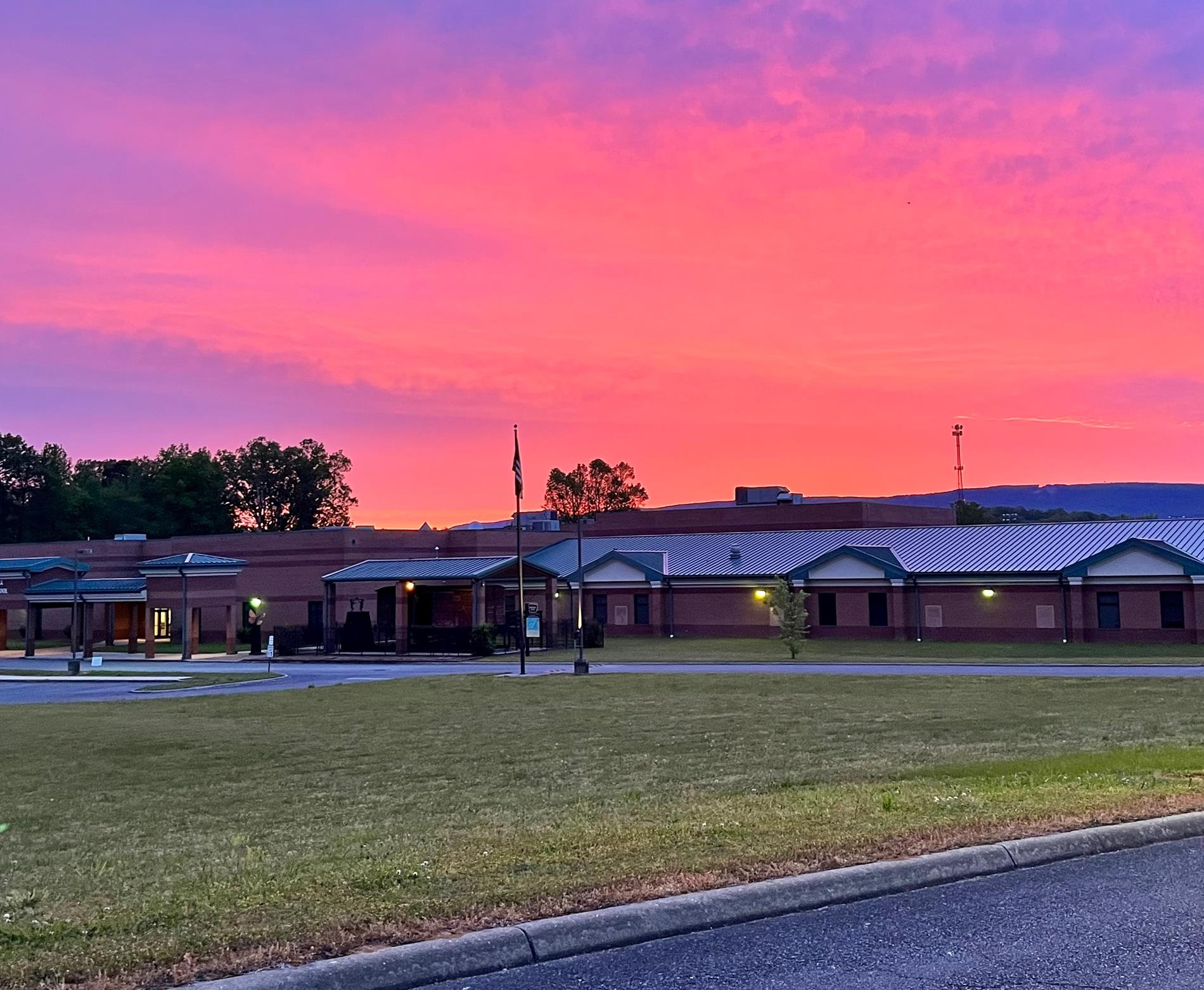
The rail car at Whitwell Middle School was part of the "German
Reichsbahn" and is one of the very last remaining "cattle cars" of
the Nazi era. This car was located in a railroad museum in
Robel, Germany. Peter Schroeder and Dagmar Schroeder
Hildebrand (White House correspondents for German newspapers)
purchased the car and donated it to Whitwell Middle School.
This German rail car, numbered 011-993, was also used in the
European film "Stalingrad" and in the U.S. film "Enemy at the
Gate".
How the car made it to Whitwell:
When the Schroeders purchased the car from the museum in Robel,
they took on the daunting task of getting the car to
Whitwell. After inspection by technicians of the German rail
company, the car was declared "rollable" (maximum speed of 30 miles
per hour). The German Armed Forces had the car sprayed and
disinfected for foreign insects. The "Deutsche Bahn" had a
decorative locomotive in front of the car and towed it under
official designation "Special Train Holocaust Memorial". The
car traveled 300 miles to the German port of Cuxhaven.
By special arrangement with the German Armed Forces, the
Memorial Car was placed on the chartered Norwegian freighter "MS
Blue Sky" and was transported to the United States port of
Baltimore.
Upon arrival in the United States, the car had to be cleared
through customs and the required inspections of the US Dept. of
Agriculture. From Baltimore, the CSX Rail Company transported the
car to Chattanooga, Tennessee via one of their flatbed rail cars
because the wheel gage of the German car conflicted with American
rails. Fletcher Trucking Company of Whitwell, Tennessee
provided the transportation for the final leg of the trip from
Chattanooga to Whitwell Middle School.
B & B Crane Company donated the services of an operator
along with a crane capable of lifting 600,000 pounds to set the car
on the tracks at the Memorial site. The tracks, which the car
sits on, were donated by CSX Railroad Company. These tracks were
made in Tennessee in 1943. Members of the community
beautified the area surrounding the car.