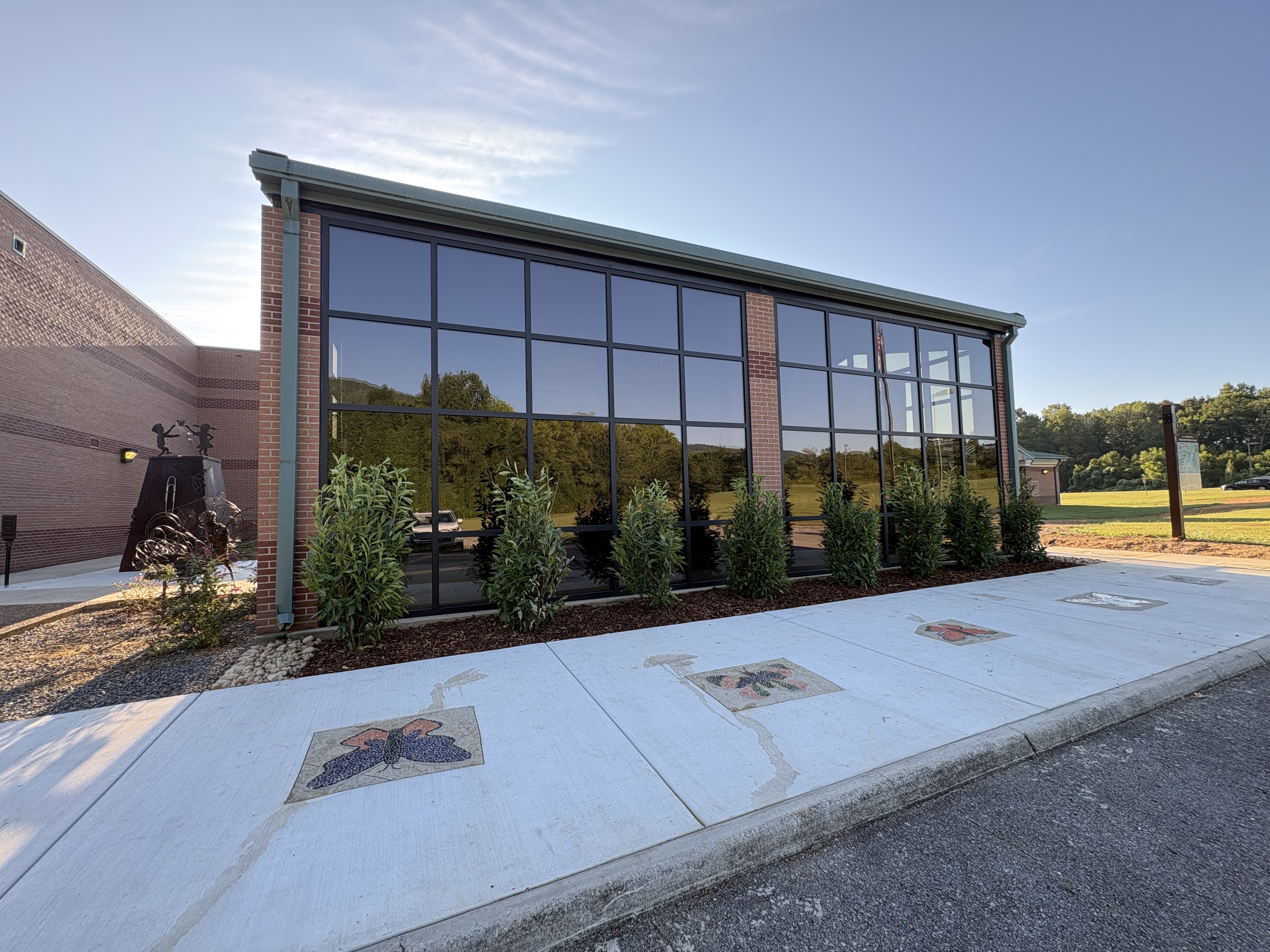
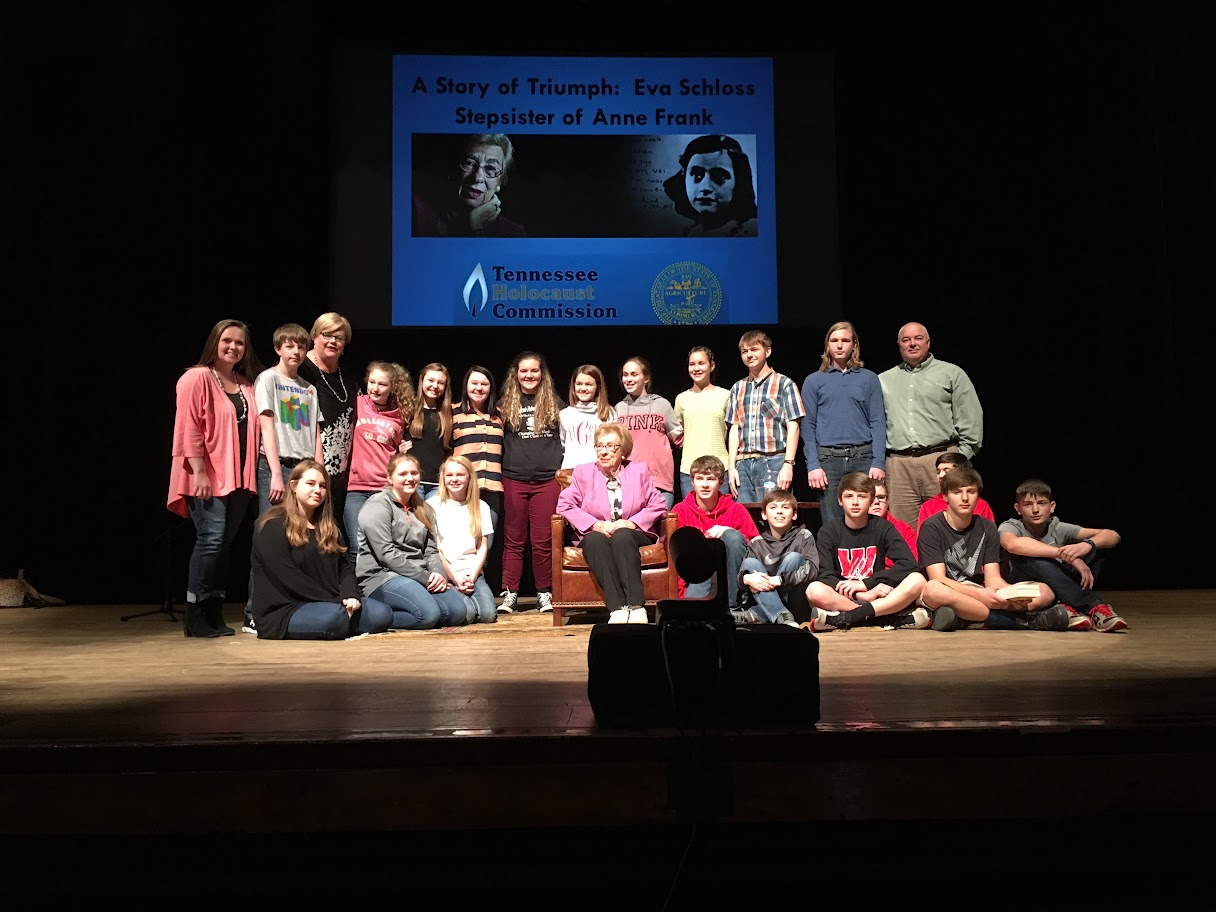
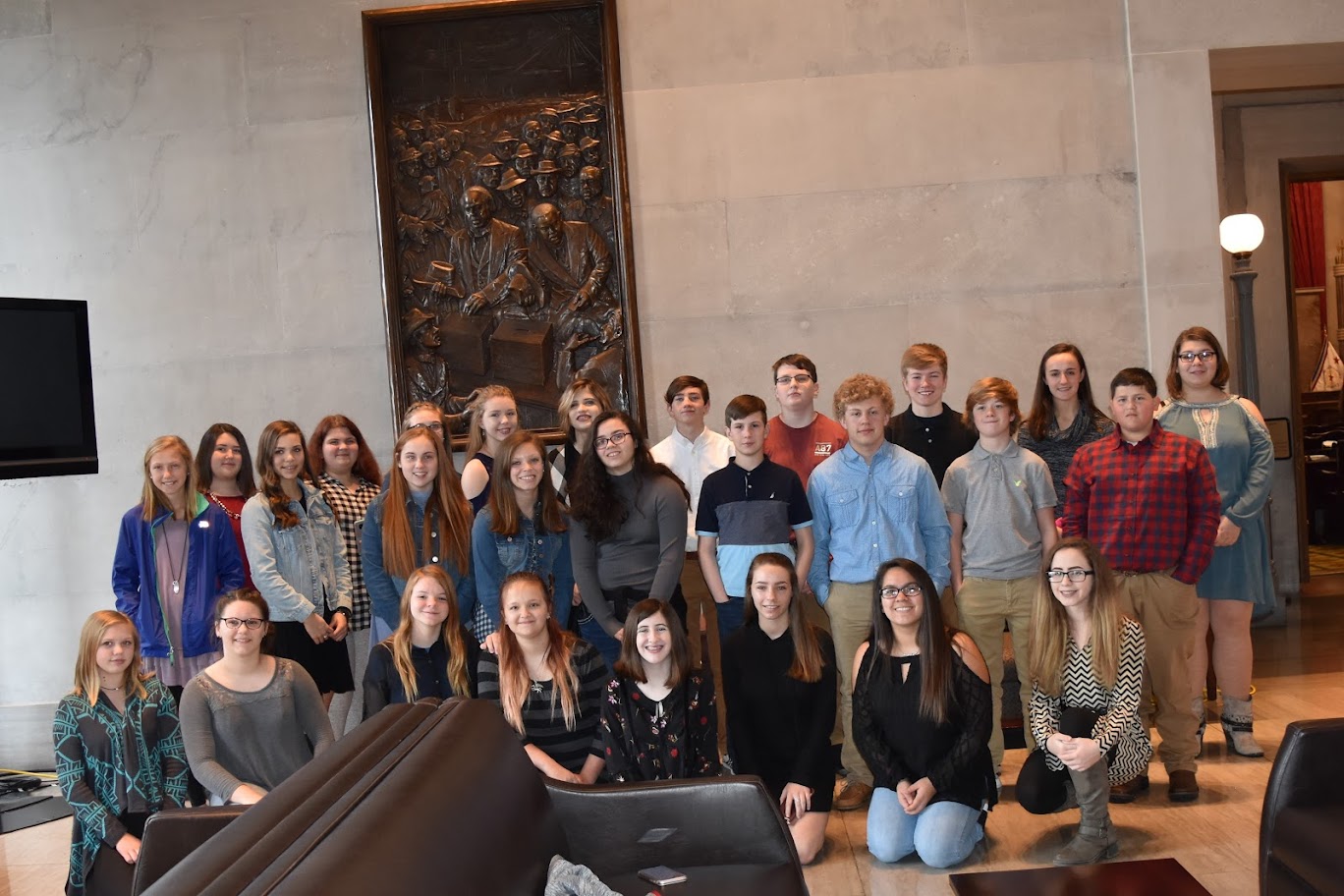
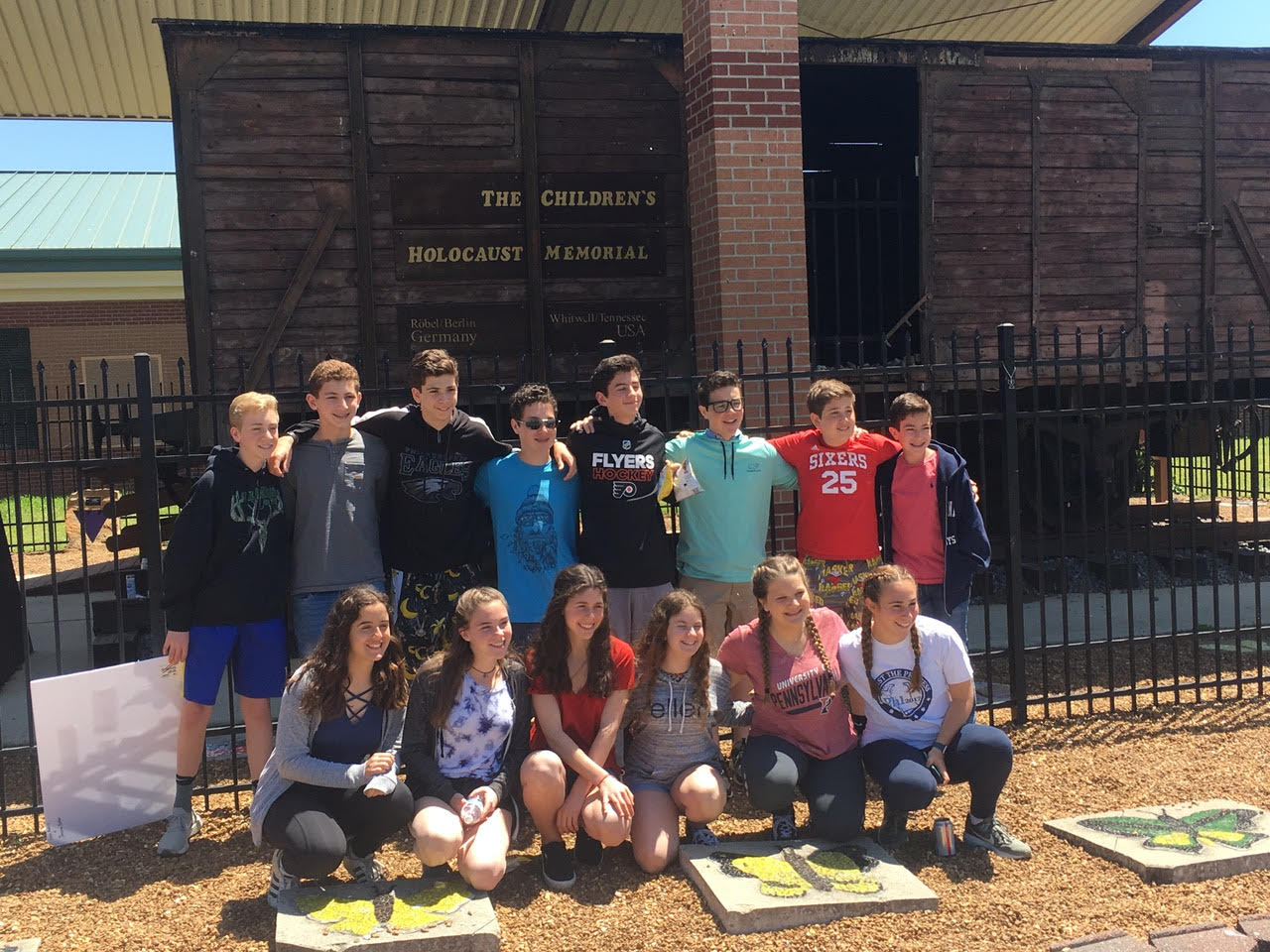
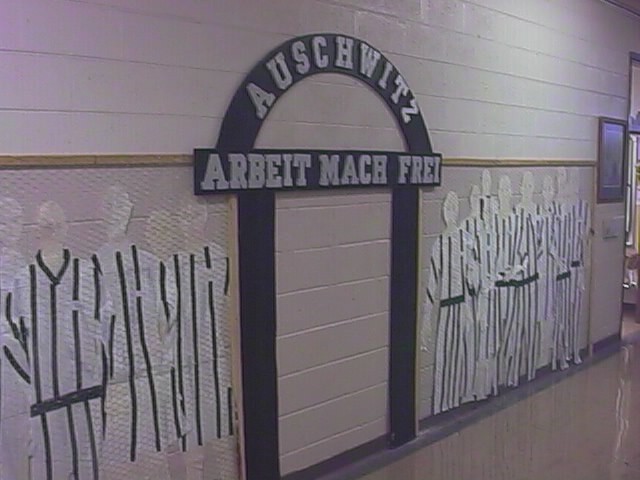
The museum sits on the grounds of Whitwell Middle School. To protect the artifacts and respect our active school campus, all visits, including the railcar, require a scheduled, student- or staff-led tour. Please click the link to request a tour.
Book and Documentary:
Looking for the books and documentary about our project? Click the links below to buy or watch.
The Children's Holocaust Memorial and Museum in Whitwell, Tennessee, grew from the internationally recognized Paper Clips Project, a lesson in tolerance, compassion, and the impact of one person's actions. What began as a middle school class project evolved into a worldwide movement that brought together more than 30 million paper clips, thousands of letters, and artifacts from around the world to honor the six million Jewish victims of the Holocaust.
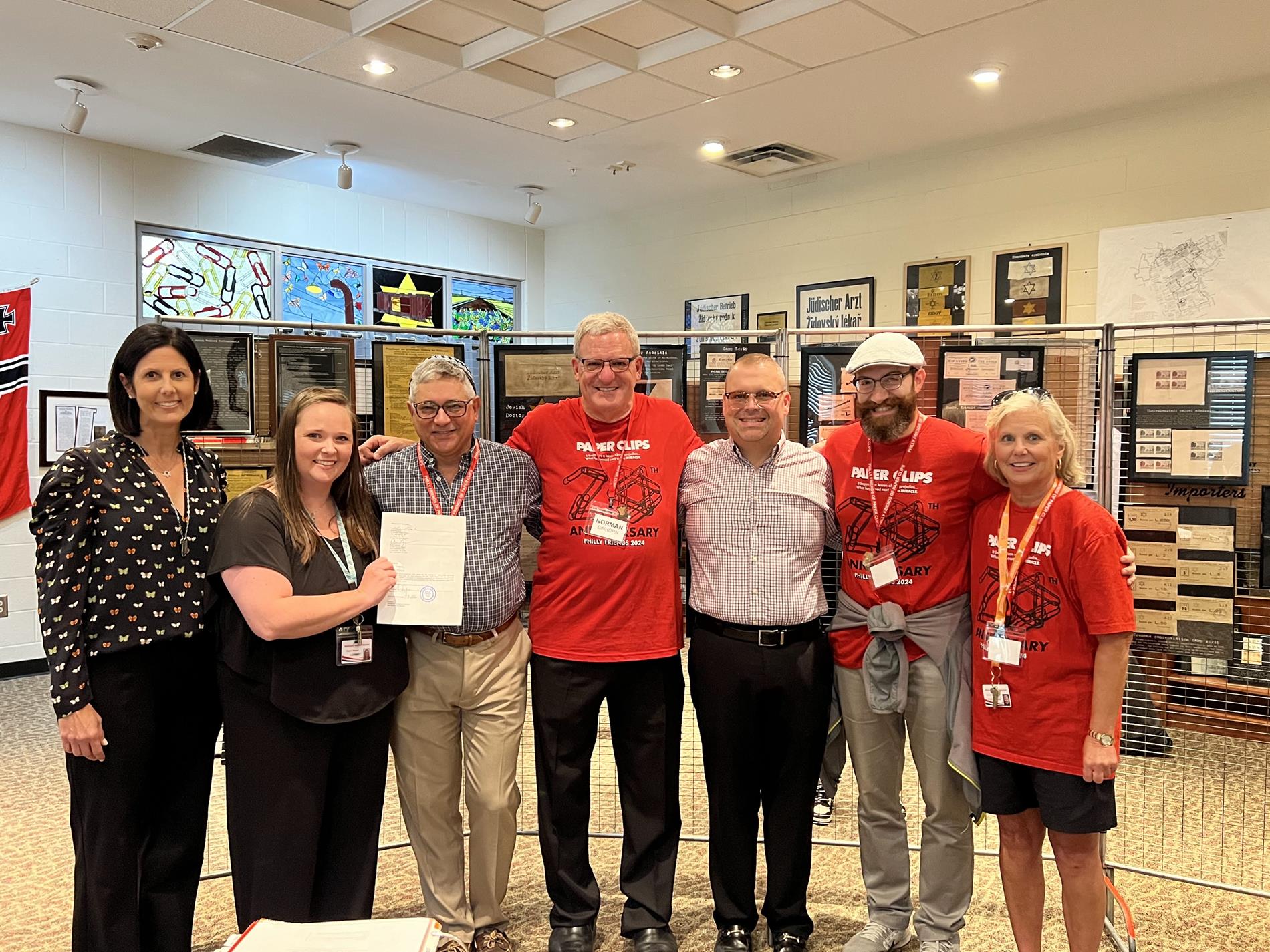
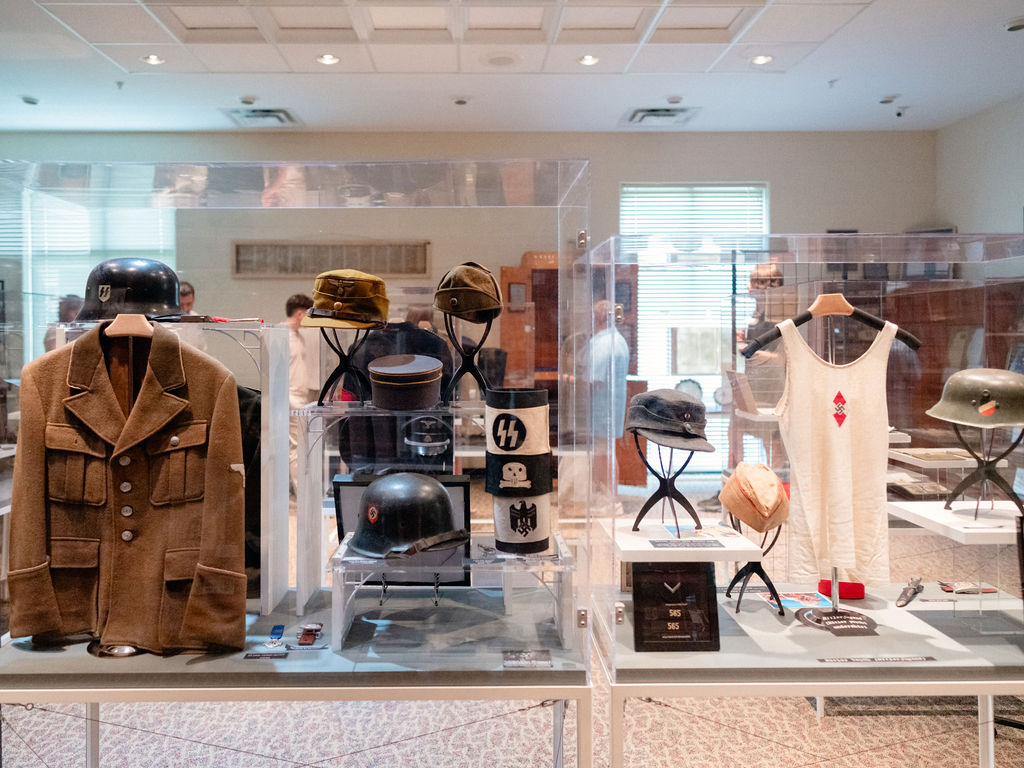
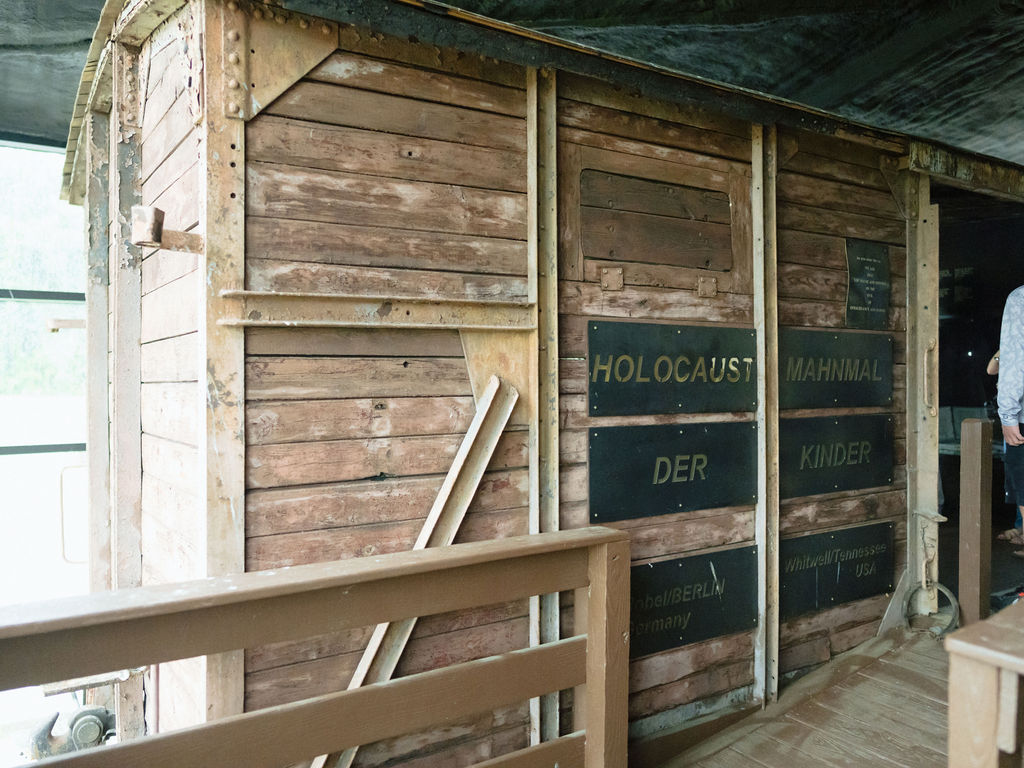
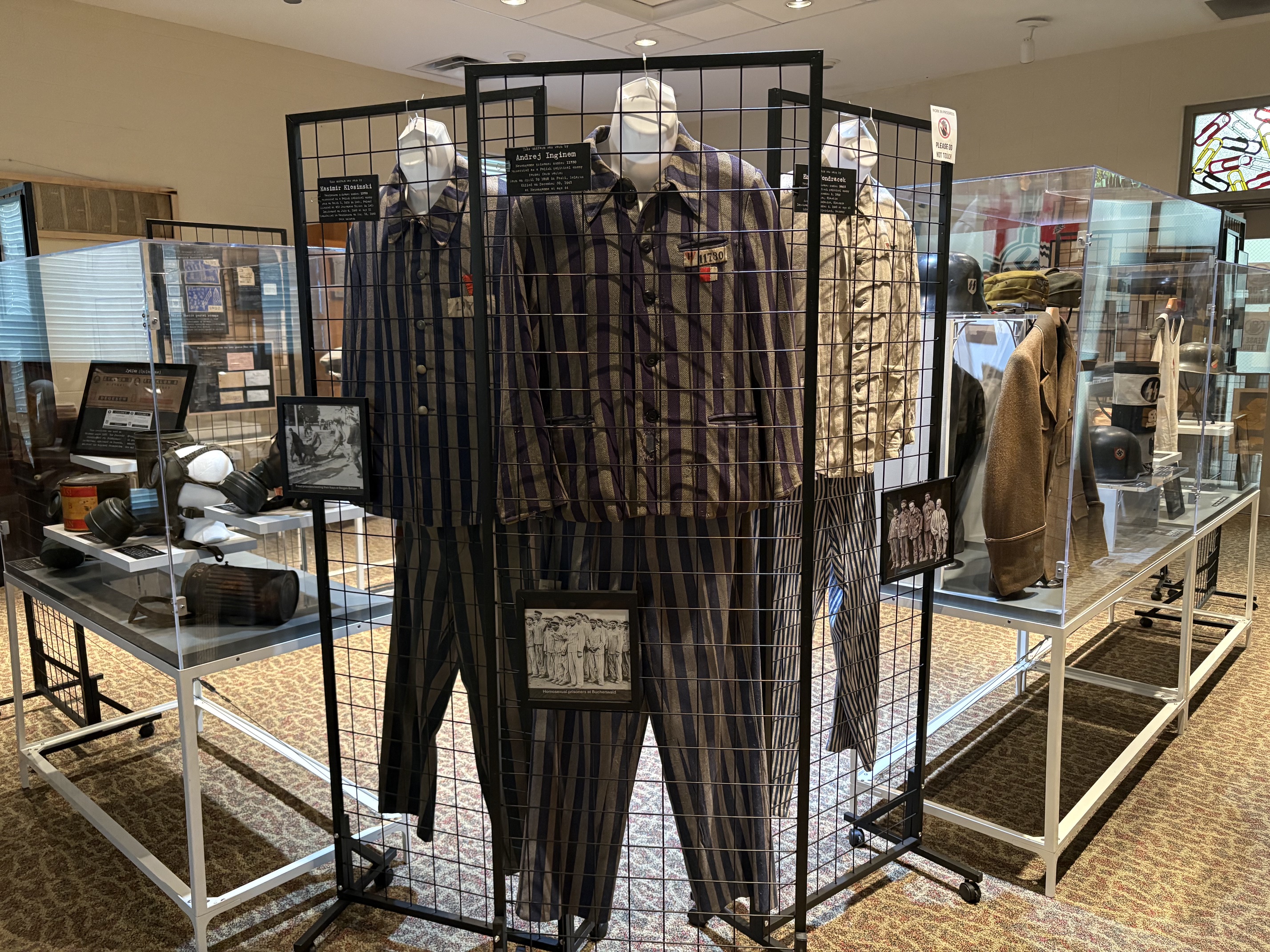
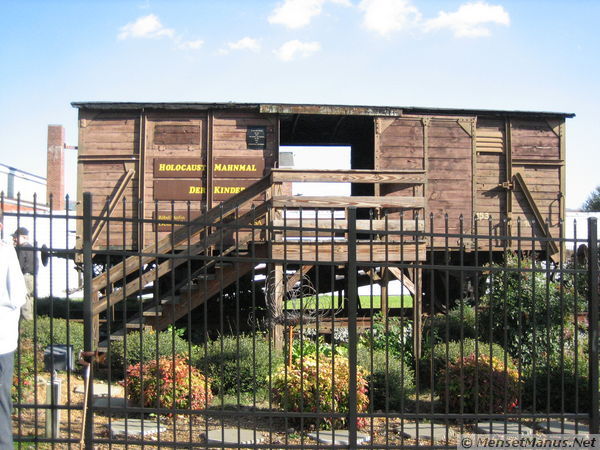
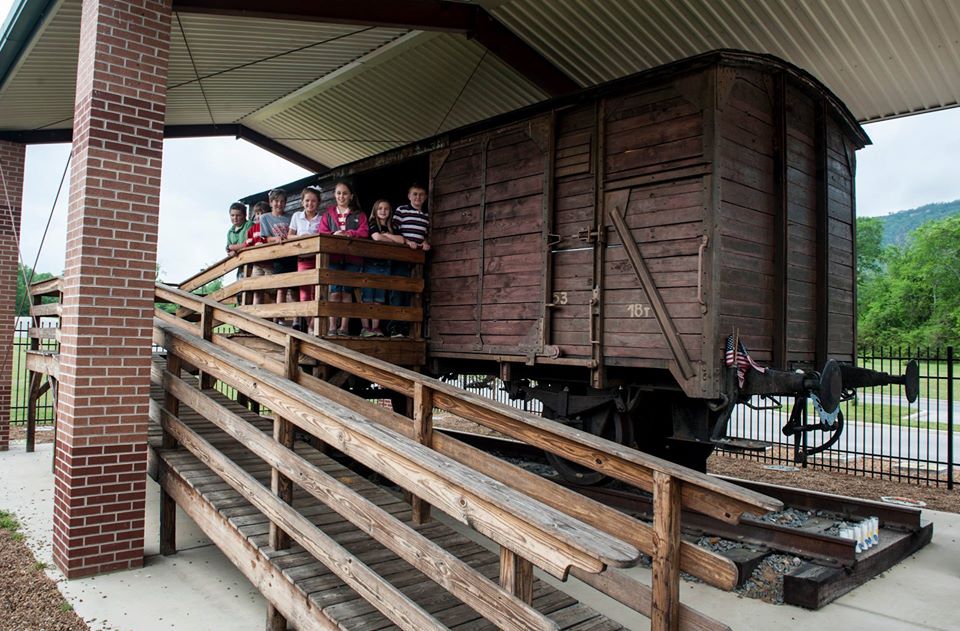
Today, visitors can explore the museum's exhibits, view the authentic German railcar that houses the paper clips, and learn how a small community demonstrated that remembrance, education, and kindness can inspire people across generations. Through guided tours and educational programs, the memorial continues its mission of ensuring the lessons of the Holocaust are never forgotten.
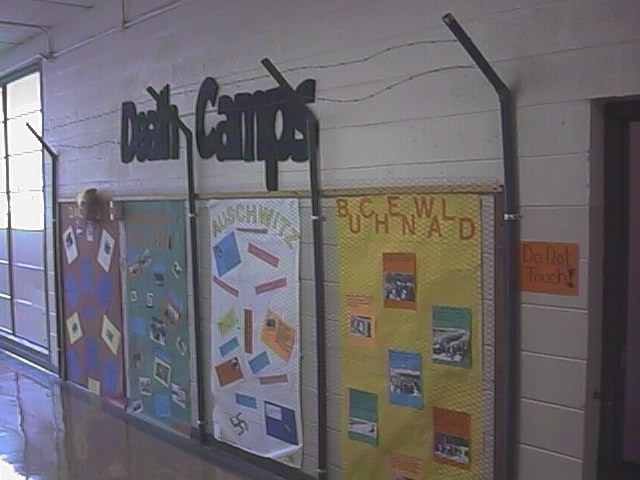
In 1998, Whitwell Middle School eighth-grade students began an after-school study of the Holocaust. The goal was to understand the effects of intolerance and the importance of respecting different cultures. As students learned that the Nazis murdered six million Jews, they struggled to grasp the enormity of that number.
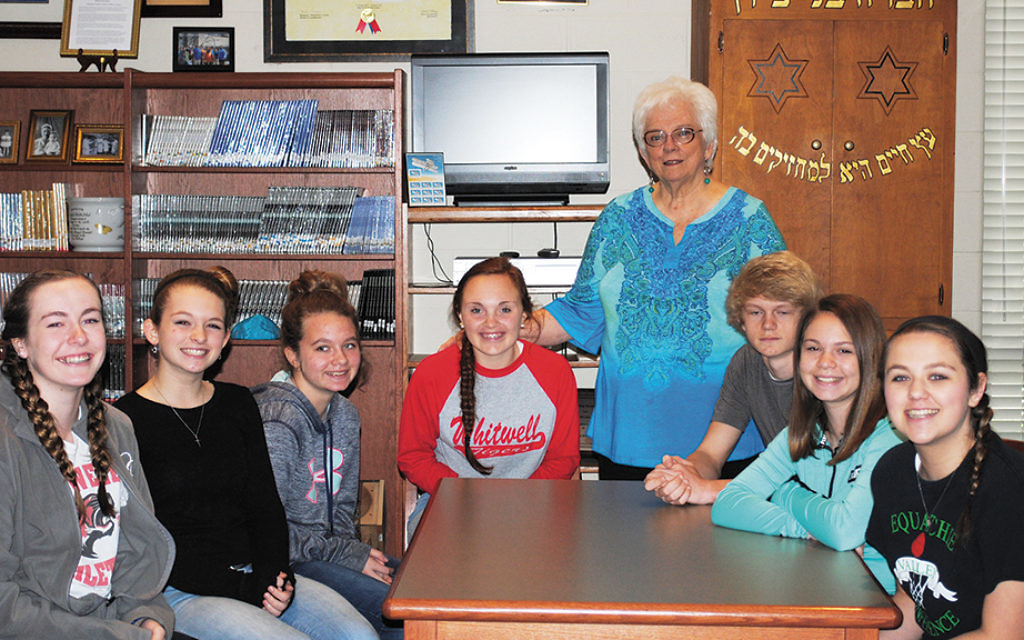
The students asked their teachers, Sandra Roberts and David Smith, if they could collect something to help represent six million lives. Principal Linda M. Hooper permitted them to begin a collection if they could find an object with meaning. After researching the history of the paper clip, students learned that Joseph Valler, a Norwegian Jew credited with inventing the paper clip, had inspired its use as a symbol of silent resistance to Nazi occupation during World War II.
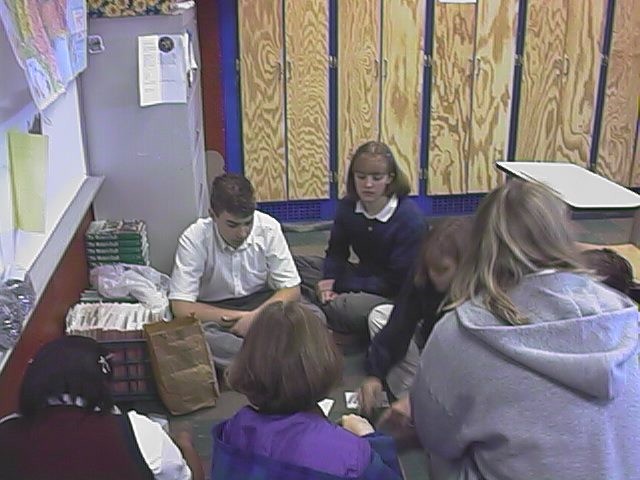
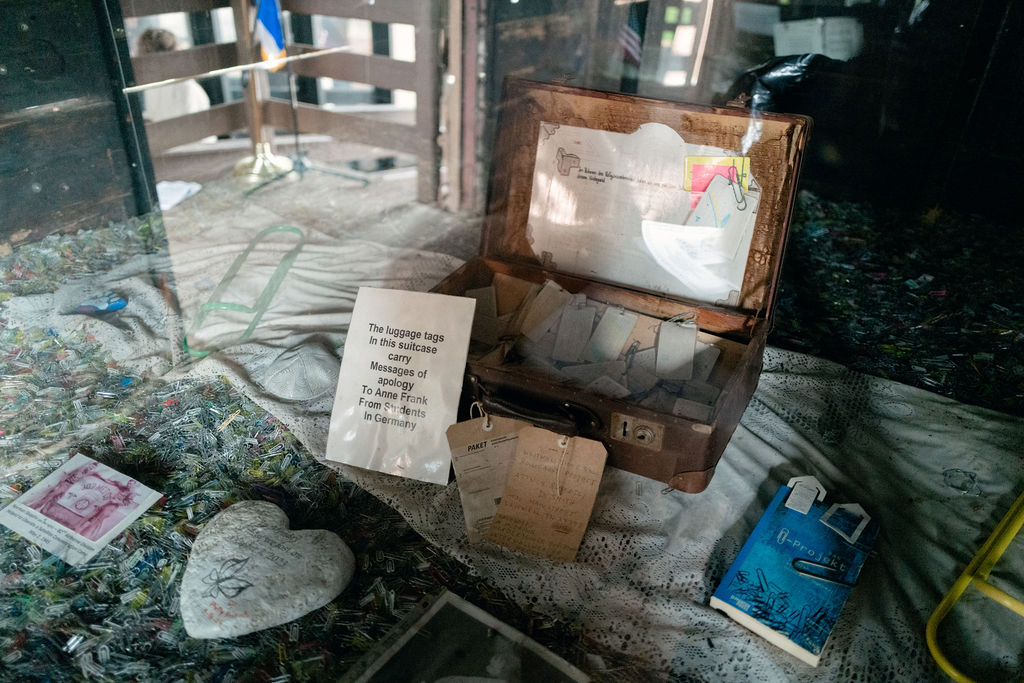
The students began collecting paper clips and writing letters to famous people, asking them to contribute paper clips and share the stories behind their donations. The project quickly spread around the world. More than 30,000 letters and over 30 million paper clips were sent to Whitwell Middle School. Students counted and cataloged the donations, creating what is now known as the Children’s Holocaust Memorial.
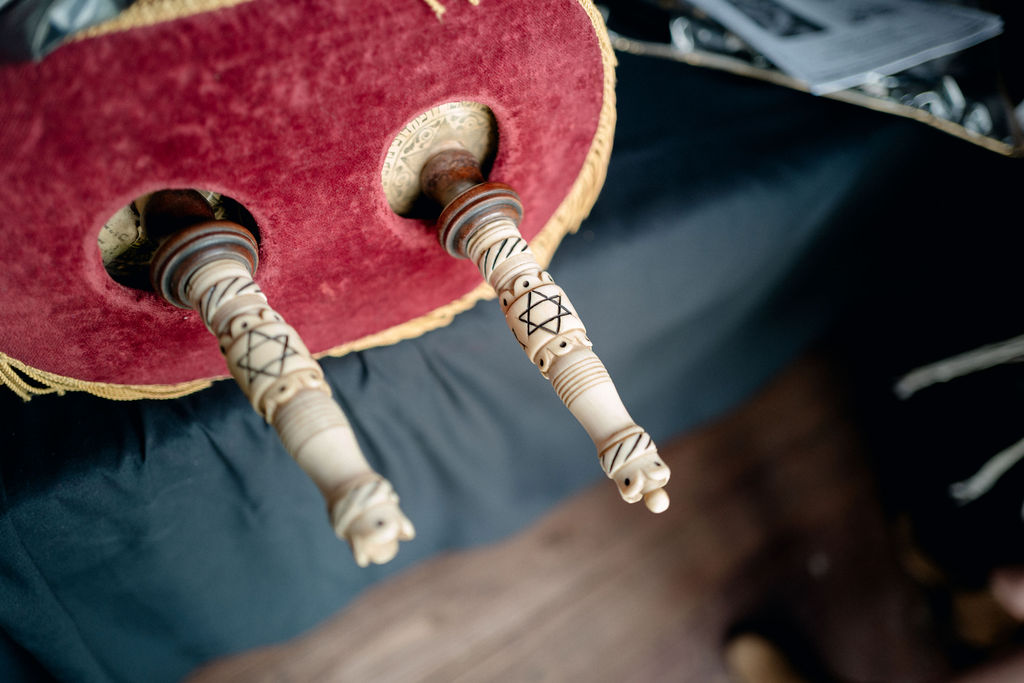
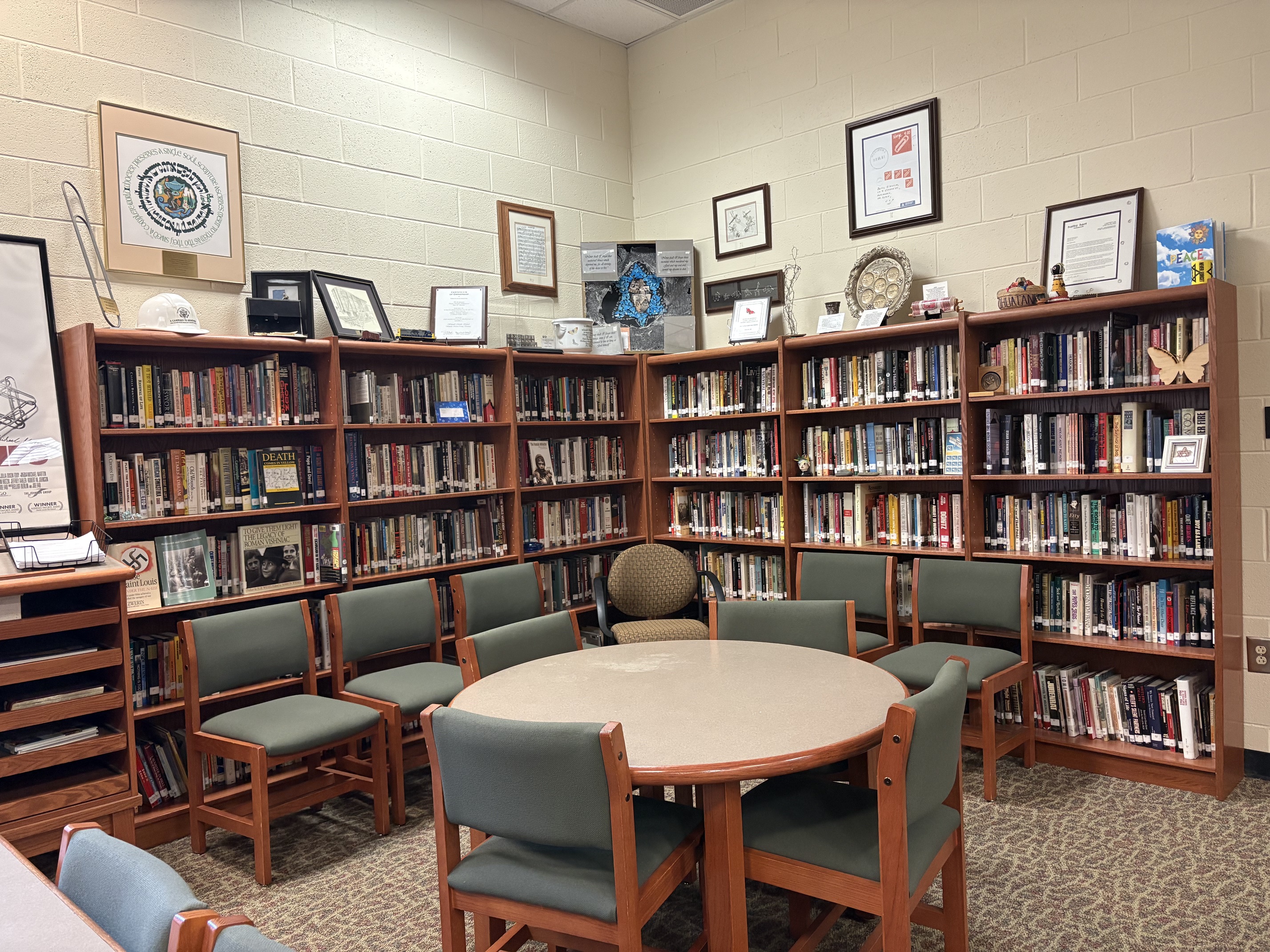
The Memorial includes 11 million paper clips housed in an authentic German transport car honoring the lives of people murdered by the Nazis. Another 11 million paper clips are included in a monument honoring the children of the Holocaust. The school’s Artifact Library preserves the letters, documents, books, and artifacts collected throughout the project.
Through the dedication of students, staff, and the Whitwell community, the German transport car was transformed from a symbol of death into a symbol of life and remembrance.